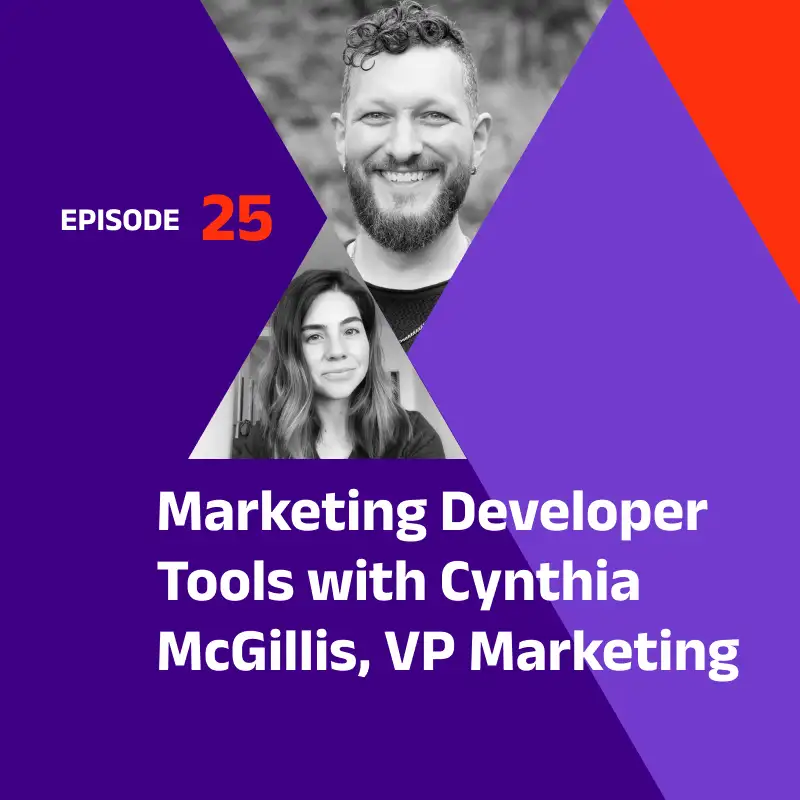
Marketing Developer Tools with Cynthia McGillis, VP of Marketing
The Laravel Podcast is brought to you by Tighten, your friendly neighborhood Laravel experts. Check us out at tighten.com and also by other sponsors you will hear about later in the episode.
Matt Stauffer:
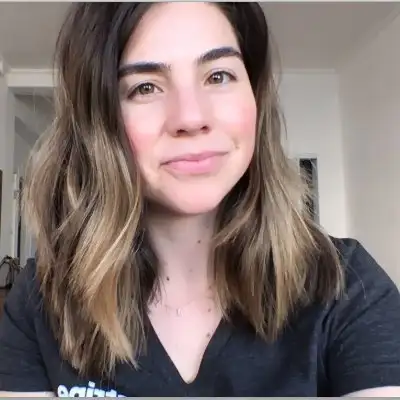
Welcome back to Laravel Podcast Season 7. I'm your host, Matt Stauffer, CEO of Tighten. And in this season, I'll be joined every episode by a member of the Laravel team. Today, I am talking to my friend, Cynthia McGillis Director of Marketing at Laravel. Cynthia, that's not what it was last time we talked. You're the Director of Marketing. You're a big deal. Can you say hi to the people and tell them, what do you do? Who are you? What's your role?
Cynthia:
Yes, hello. Well, actually, Matt will take him on the top because I'm technically VP of Marketing. I haven't updated my... It's just on my list of things to do that I just... It doesn't impact anything, so I haven't. But yes, I stepped into that seat about eight weeks ago.
Matt Stauffer:
VP of marketing.
Fantastic.
How long have we had VPs?
Is it eight weeks ago that that's when that structure happened?
Cynthia:
Yeah, yeah, we rearrange. we Taylor and then within like, sorry, me and then Andrew McMillian on the sales side. And then also ⁓ Joe Dixon, this was in the past couple of weeks has stepped up into a head of product role. So he owns product all up and then engineering now just sits under Andre. So ⁓ all that means is like, I'm kind of just like part of the SLT and we kind of help, you know, set direction of the company and all of that. And I just, I just own all of marketing now. That's really all that matters. And like,
Matt Stauffer:
Yeah.
Okay, got it. huh.
NBD.
Yeah.
⁓ So when you know one, you know that one of the things I like to do on these podcasts is to understand like the story of you coming to Laravel. So even though I want to immediately jump to what you know when you and I first met when you're working at Laravel, I'm not gonna go there yet. That's not the structure. So who were you and what you did, what did you do prior to Laravel, and what did you know, what are the steps that eventually led to you coming to apply for and get a job here? And you can go as far back as you want.
Cynthia:
Yeah, yeah, yeah. will, I'll give the, like, I'll give a little 30 second, I'll give a little bit of back history, because I do think it's funny now, like where I am. But like, you know how you always have that one friend who's like your tech friend to like help you? Like, and I mean, you're your friend, I'm my friend, but I think about in college, where like, if our computers didn't work, like I was the girl that my friends went to, and they're like, Cynthia, my computer, like, it's not doing what it wants. And I was like, okay. And I was an English major, and I minored in political science and philosophy. So like, I don't have any right.
Matt Stauffer:
Yes, 100%, yeah.
Mm-hmm. Yeah. Yeah.
huh, me too. Yep. Right.
Cynthia:
Like doing anything, but I don't know. And so I don't know what English majors do for a living, but I ended up being a fundraiser. Yes, yes. But I ended up being a fundraiser because I ⁓ thought that it was like, I really liked, you know, I was like very interested in ideas and I worked at a think tank and it was fun. And you got to basically just organize parties and like throw cocktail parties and deck gala dinners. But as part of that, you had to use something called a CRM. You had to use a database called Salesforce.
Matt Stauffer:
Apparently we get job at tech companies, I guess. I don't know. So. Okay.
Yeah. Sold. Yeah.
Yeah,
Cynthia:
And I thought that was cool. Like the technology was cool, like making lists and like all of that. And then someone blew my mind and told me like, you know, you can have a job like working on this as professionally. And I was like, what? You can be paid to like do this? And I thought that was really interesting. And I was like, okay. And then obviously like I'm working at a nonprofit, so I'm not getting paid anything. And I was like, okay, like I wanna make money.
Matt Stauffer:
Just doing that. huh.
Yeah.
Cynthia:
So I basically like made the leap and this was when I was like 25 and I ended up working at a media company in Washington DC as their first sales operations hire. And basically that required just like building out their CRM systems and all of that. And like, I was the first one to like use Zapier to like take a zap from like a database to a spreadsheet so we could report to a client. I mean, real high end stuff back in, you know, what is this, 2015?
Matt Stauffer:
Mm-hmm.
Cynthia:
⁓ so like that was like pretty cool and it was really fun. And that's also where I got the startup bug. Cause you know, startups are very different than nonprofits. Nonprofits are slow. They're resource constrained. It's just a very different energy. And here I was like, okay, we're making real revenue. We're trying to actually move and do things quickly. And like, that was also just very, ⁓ simpatico with my personality. So then I go, okay, this is great, but I really need to get to San Francisco.
Matt Stauffer:
Yeah, totally.
Cynthia:
Like I'm not gonna like DC is not where like that's not where it's happening in the tech world, right? Cause I wasn't really into GovTech. Like I wasn't, I'm not, I, I didn't have a desire to like get into anything political. So was like, I need to just like get out of here. So at the time there was this, ⁓ really hot bootcamp that everybody thought was really cool called Lambda School. And it was the hottest, I mean, God, Lambda School, TBT. So at the time I'm like, should I,
Matt Stauffer:
Okay.
Yeah, okay, yeah. ⁓
It was the hottest at the time.
Cynthia:
go to a coding bootcamp because I'm kind of into technology and like, you know, or should I whatever. And most people who talked to me, talked me out of it. You know, they're like, you don't, shouldn't learn how to be an engineer. Like your talents would be wasted. Like, you know, whatever kind of thing. And I'm like, and I guess I didn't really want to do it that bad. Or I was able to like get where I needed to go without learning how to code. So I just kind of like ran with it. And so with Lambda School, they were hiring and they needed someone to like run their CRM thing.
Matt Stauffer:
Right. Yeah.
Cynthia:
And frankly, I was like pretty disappointed because I was like, this is a backward step for me. Like I had been running a department and whatever. And I was like, but I want to get to San Francisco. And so like, I need to do what I need to do. And the hiring manager was none other than Hank Taylor, our departed Laravel VP. And I got an intro that I like managed to swing via Twitter and I got a call with Hank. He's in San Francisco. I'm in DC. And it was kind of good. And we kind of hit it off.
Matt Stauffer:
No freaking way.
my God.
Cynthia:
And then I was like, I gotta get in front of this guy. Cause like, if he doesn't meet me in person, it just isn't gonna happen. So I tell him like, I'm gonna be in town. Cause like, I'm visiting one of my best friends and he's like, okay, cool. I guess you can swing by the office. And so I didn't have a plan to go, but then I made a plan to go and I did have a friend. I actually had a friend. So like, it wasn't like totally. Yeah. So I was like, I texted my friend, like, can I come out? It's crashing your couch and trying to get a job. And she's like, sure. Okay. What? So
Matt Stauffer:
huh.
But did you have a friend? Was there actually a... Okay, so, you know, yeah. Yeah.
I haven't seen you since college,
but sure, I guess.
Cynthia:
Yes, literally. that was great. And so then fast forward, get the job at Lambda School, Hank and I become really good friends. Obviously, here we are, I think it's six years later, we're still very close. And he brought me after that to Vercel And I think that's where the Vercel like, so you can kind of see there's a small like technology thread throughout my career. And at Lambda, I ended up
I very quickly was in a CRM admin. I ended up leading partnership with Amazon to launch a backend course. So now I'm kind of learning more about servers and like Java or whatever. And that's when Hank left to Vercel you know, that was truly the first like a bootcamp isn't really DevTools. I know now we're officially in DevTools land. He brings me to Vercel That was really early. Like I was like 2021. So like, I don't know. Maybe they just raised their series B. There was like 150 employees. Like it wasn't what Vercel is now. Let me tell you.
Matt Stauffer:
Sure. Yeah.
Yeah, it's a different world. Yeah.
Cynthia:
And at that time I just did a bunch of random stuff. I led their first in person Next.js Conf. I did some stuff like kind of helped get us organized on pricing. I did some growth stuff. I stayed in the marketing land ⁓ and just really like really that role was so huge for me for learning what it really looks like to work at a proper operationalized successful startup with product market fit and like how you got to go and like customer empathy. And then I learned a ton of the technology obviously.
So coming to Laravel was a very natural choice for me because they're kind of running back the Next.js Vercel playbook, right? Where Next was created, it's open source, you can use it wherever, but it pairs really nicely with Vercel and you know, it's made deployment super easy and delightful. And Taylor obviously had the same vision. He's like, had Laravel.
got this funding and was like, I've got Forge I've got Vapor but like, what if it were easy to deploy a Laravel app? And that's what Cloud was. And so when Hank brought me over from Vercel cause Hank also went cause Hank and I kind of have this joke where it's like, we go together, but now I'm like, I'm going on my own. ⁓ yeah. When I joined Laravel about a year and a half ago, I was basically like the first marketer. There was only, there was me.
Matt Stauffer:
Mm-hmm. Yeah.
Yeah. Like do whatever you're do, this is me, yeah.
Cynthia:
and my colleague Sam who ran all the events and stuff and I was everything else. So really that focus was product marketing, learning about what the product is, setting up the entire website, all the copy, like how are we talking to our customers about it? And then a lot of just like kind of the gross stuff on funnel, like how are we getting, where are users coming from? All of that. So that was really like my first, that was my focus for the probably the first, you know, six, eight months. So I joined pre-launch. So we're just trying to like get customers, get data, learn about it.
And then the beginning of this year, since Hank stepped back and left Laravel, ⁓ I stepped into leading the entire marketing org all up. And so right now that includes our DevRel team, content, product marketing, but also, you know, we're building out like a proper, like we have demand generation and, know, I'm educating people what that is. I'm like, yes, so there is an enterprise motion and we want to have sales led customers and we need to get them leads and figure that. And like, so we've got all of that built out because Laravel Cloud.
has a self-serve motion and a sales-led motion. And I mean, obviously, people can come in, sign up with a credit card, try it. And then we might go like, oh, they're using this product a lot. like, oh, maybe we should reach out and see if we can help them right-size what they're doing. So both things feed to each other. But marketing is responsible for all of it. It's not like I can go like, OK, buy sales. Good luck. So yeah, that's what it's been recently.
Matt Stauffer:
All right, so I'm gonna dive into a lot of those, but first I wanna talk about what your kind of process was. You said kind of like Hank kind of led you over there. When you joined, were you being run through the ringer of a rigorous application process or was there only a few people and you're just sort of like, look, I probably met Taylor, got the sign off and that was about it.
Cynthia:
I didn't meet Taylor.
Matt Stauffer:
Really?
Cynthia:
Poor Taylor. He's like, should have met this woman. I think I met Tom and I met Calvin. ⁓ Basically, like, I think basically what happened was Hank was like, hey, I got hired. He's like, I need to build a team. And he kind of like put out a couple of people and told Tom, like, Cynthia is a pretty strong generalist who can kind of play wherever. So like, I think she could kind of fill everything in marketing that is an event. And he's like, so I interviewed Tom.
Matt Stauffer:
huh.
Excuse me, Tom?
Okay. Okay. Great. Good people.
Mm-hmm.
Cynthia:
Tom was like more just like a vibe check. I think he trusted Hank's judgment. And then Calvin and I just chatted a little bit. Also, I think that was a vibe check. ⁓ I do think there's sometimes, ⁓ it is a tough role being a marketer in developer tooling. I think it's hard to gain respect of your colleagues. I've seen this a lot, right? Cause they're like, well, you're not a developer so you don't get it. ⁓ And I think the thing that I've really, I've done two things. One is I've gotten fairly technical for a non-developer.
Matt Stauffer:
Thanks, yeah.
Yeah.
Cynthia:
which I do think kind of helps show that I have empathy for what they do and I'm curious and I'm not just sitting here in a corner talking and I can do things. I've shipped things on Laravel Cloud, I find bugs, I take screenshots. But the other thing is, I highlight, guys, people aren't buying this product because it's technically cool. It's because it's solving a problem. that's bringing back to why does this matter for the user.
Matt Stauffer:
Right.
Cynthia:
Why is this bad? And getting it out of, let's talk about how cool this is technically, I think helps people realize, there is a total other piece of the puzzle that this person can bring.
Matt Stauffer:
Yeah, that's cool. And when you started, you said you did everything but events, which was interesting because one of the things you mentioned was that you had previously done events at other things. So is there a part of you that had to hold yourself in and not kind of put your fingers in events or are you really happy to kind of be able to step away from that?
Cynthia:
I have so much respect for people who do events. Shout out, Gen Z Abby. But I'm in a very, very different phase of my life now. I have three kids. ⁓ I just can't travel at the amount that it demands. So I was like, and I remember Hank being like, hey, do think you can handle this? And I was like, I can't. Like I said, I can't work. I was like, I cannot work at Laravel if I'm expected to be on the road.
Matt Stauffer:
Yeah.
Absolutely not.
Cynthia:
to like five international events or whatever. And I was like, no worries, like I get it, that's what you're looking for, but I just can't. And he was like, okay, it's like we can figure something out. Which I have to say was like pretty cool because I was pregnant with my third when I started Laravel and they were all very like, everyone was very accommodating and very like, yeah, okay, great. No problem.
Matt Stauffer:
Yeah. Yeah. you figured that out. Okay.
Mm-hmm.
Good. Good. Love that. Yeah.
And we have times in our lives where we can go on five international trips. And in fact, we have times in our lives where that's the coolest thing that's ever happened, but it's not every time in our life. So, yeah, cool. Okay. So when we first met, you had just joined and you knew hosting, you knew technology of the world because you had worked at Vercel and you, like you said, you were a nerd in Silicon Valley. You understand what the value was, but you had
Cynthia:
Exactly, exactly. you know, you just got to, it's the season.
Matt Stauffer:
Pretty little exposure to the Laravel world. What was the process like of going from not just like being outside of it to being in it, but going outside of it to having to understand it at the level that you are able to understand things that other people can't even necessarily name about the community so you can mark it in a way that is compelling and honest and true and reflects the people, right? Like that's not just like outside the community, inside the community, right? It's outside to understand it preferably better than almost anybody else, right? Like what was that like?
Cynthia:
Yeah, I mean, it was definitely overwhelming because if you think about it, Next and Next and Vercel was very front end. We never talked, I never heard about databases. I mean, obviously I knew what a database was, but there wasn't a lot of database chatter when I was at Vercel I mean, there was a lot of headless conversations. There's like, can run your Shopify, whatever. But I just felt like the technology all of a sudden, was like, databases, queues. It's just like,
Matt Stauffer:
Mm-hmm.
And yeah.
Cues. Cash. Yeah.
Uh huh. Yeah.
Cynthia:
What's a cluster? it was just
the language got really got really got me. So I think a couple things and this is where it's really interesting. Like AI has like so quickly improved a lot like I would have calls with the engineers or whatever and I would be running granola and I'm just like have my like I have him explain stuff to me and then I would be like put that into a Claude project like hey help me like help describe this or create an analogy. So I'd like kind of like self learn a lot just to like you know help me kind of get there.
Matt Stauffer:
Yeah.
Cynthia:
And then I think a big thing was, that when it was basically just in the Christmas break of 2025, when everyone realized that like Claude code can do things. That's when I decided to like vibe code a full application. And I was like, okay, I have to like vibe code a full application and I'm going to try it and get from a blank Laravel starter kit to something live on Cloud, just so I can understand like what that feels like. And that was incredibly like,
Matt Stauffer:
Mm-hmm.
Cynthia:
instructive for me, like was like, okay. So now I was like, I can run an artisan command and then like, can like back, like I just, it's just like, I'm a very like, have to be hands on keyboard to learn it. So that's from the technology standpoint, from the community standpoint, I think something that I'm really reflecting on right now, and I want to, I kind of want to push for as we continue, like, you know, as I continue in my seat is the Laravel community is incredibly unique and diverse and human. And I don't want us to be like,
we're SF, tech, cool, slick. Like, you know, know I'm wearing a black Laravel jacket right now and trust me, there's a place for black. I love the color black. But I even think about like the different brandings of the Laracaon of the Laracons. And I actually love that. Like it's unique to their culture and like into what they've created.
And I think that that's something that I just want to continue to encourage. And I feel like there might've been a moment where we're like, wait, we're like Laravel. So we have to like top down control everything. And I think I'm more like, let a thousand flowers bloom. Like we should have brand guidelines. Like we should have brand guidelines. like, that's technically my job. And so like, people are using our logos appropriately and all of that. But I just, I just think that that's what makes Laravel as a community so unique and welcoming is it is incredibly.
Matt Stauffer:
Love that.
Cynthia:
business minded, I asked Taylor, I was like, why did you invent Laravel? And he's like, cause I wanted to like ship things faster. And I was like, why did you want to do that? He's like, cause I want to make money. And I'm like, that's great. Like that, like that's wonderful. Like I think that that is such a cool thing about the Laravel communities is these are developers who are developing for a purpose. They're not just like, I don't know, they're just not like hype. People are like, I'm like, I'm doing it to be cool. They're like, no, I actually have a problem that I'm trying to solve in the real world and code just.
Matt Stauffer:
Right? Like, yeah.
Yeah,
yeah. The ways of doing it. Yeah, 100%.
Cynthia:
happens to be the way that I solve it, you know, like, and
we're part of that. And so I think that's just something that I ⁓ appreciate about Laravel in a way that I haven't seen in other communities. And I want to make sure that we kind of like preserve that and communicate that out. And it's not like this, you know, top down, everything has to be perfect. I don't know.
Matt Stauffer:
I love that.
You know I love that because you know was nervous. was like, a whole bunch of people coming from the outside, you know, from Vercel or from whatever else. I want to make sure everybody knows us, right? And so a lot of our first calls were me being like, hey, here's who you should know, here's what you read, here's what you should watch. And I was really grateful to watch you do all those things and also do plenty of things. on your own, without any prompting for me to do all the work to get to know the community. Yeah, I said that and I didn't like how that felt.
Cynthia:
Yeah.
Matt's like, all the stuff that I wanted, you made sure it got done.
Matt Stauffer:
⁓ I'm very happy that all the anxieties and fears I had were not realized because you on your own of your own volition were doing the work to To make sure that you understood the community and adapted your thinking about what marketing in here everything like that looks like really kind of reflect the community and I didn't realize this until you said that but I was like I think that Explains one of the adoption one of the reasons why we've adopted AI to different cases paces because on my other podcast people are always talking about You're either like look. I'm here to ship code
Right? Like that's what I'm trying to do or like ship product. Or you're like, I like sitting in the code all day. I don't really care about what's shipping. And if you're shipping, if you're just trying to get things to people, then you're more excited about like, here's a new tool that lets me ship more useful features to end users, whether it's for profit or for usefulness or whatever. And so knowing that that's kind of like an ethos, like it's helpful for you to hear that you say, I came from the outside and this is the thing I noticed now that I'm on the inside. We are focused on just building stuff.
Cynthia:
Yes, think,
yeah, it's like not a very academic exercise. It's like, or like, Hey, like, you know, I don't know, like, and it's not like I'm, so well versed in all these other different communities, but I just feel like it's like, Hey, we have a purpose here. Laravel helps me achieve that purpose. That mean I feel like the number of people that like approach Taylor at Laracons being like, because of Laravel, I built a SaaS app and like, you know, like that's just, that's just incredible. And so I think a real purpose of
Matt Stauffer:
Hmmmm
Yeah.
Cynthia:
Laravel Cloud is to have you to be able to do that faster. And I know that we have, ⁓ you know, I think I listen to a lot of customer calls and like feedback because we record them and I hear loud and clear. I'm like, okay, our pricing isn't as clear or it's not as friendly for the VPS users. And like we're actively working on that because it bothers me when people are like, they just, know, VC money, blah, blah, blah. It's like, no, we Taylor, we actually believe that this is a.
good product, like it does actually work and it's useful and it solves your problems. We're just trying to get you to market faster so that you can provide that value for your customers and ultimately, you know, yeah. So I kind of wandered there, but you can edit that.
Matt Stauffer:
Yeah. No, it's good. And
it's good. And I'm responding to in a second. But first, we're going to thank some of our sponsors, which include Laravel Cloud.
Cynthia:
Hell yeah.
Matt Stauffer:
All right, and so now it is time to thank our wonderful sponsors again. And because we've got Cynthia on the podcast today, I gotta start with Laravel. I mean, I gotta do it. So this episode is sponsored by Laravel Holdings, the mothership.
The folks behind Laravel Cloud and Larecon US. Laravel Cloud, which we are talking about today, is the fastest way to deploy Laravel apps, it also solves all sorts of common problems that keep web artisans from shipping. And Laracon US is the premier in-person event for all web artisans to come be with your people, level up, and leave ready to ship faster and better than ever. So check those out at cloud.laravel.com and laracon.us. And our second sponsor for this episode is Mailtrap, modern email for delivery for developers.
They make it simple to send transactional and promotional emails with native SDKs and API and SMTP access. 4,000 emails per month in their free tier, security compliant, and 24-7 support from real people, not just chat bots. So check them out today at mailtrap.io.
Matt Stauffer:
so in response to what you were just saying about kind of what Cloud allows you to do I have said since the very beginning of Cloud that the thing I'm most excited about that Cloud offers is the ability for my clients who are not Technical nerdy people to just get their thing live and in the past we would work with these clients who don't have an IT team who aren't necessarily programmers, but they're Nonprofits or their startups or whatever it is and they just want the thing to freaking work
Right? Like they just want the application that they have paid to build or even sometimes had a hand in building to sit on the internet and provide the value to them and their clients and customers that they needed to provide. And that's it. And so we'd be like, yeah, well, now, now that we've done all this, you need to sign up for Forge and you'd sign up for DigitalOcean. You need to sign up for an email sending service. You need to sign up for a key, you know, in the past, you'd sign up for backups or whatever. And we literally helped off board a client that we helped set up years ago. And the number of services that they they were like, we don't know what any of these services do.
but we just kind of mark them on our recurring credit card as like, yep, takes this to whatever. And so we recently helped them kind of spin all those down and I was like, that was a different world. So I love the vision of Cloud being, like you said, getting people who have real ideas and real visions of, you know, like functionality to get that functionality live easily. That's been the easy, obvious selling point since the very beginning to me, because I'm just like, yeah, I want all my clients to use Cloud.
And now that you guys have private Cloud, I'm like, even better. I want all my bigger clients to use enterprise private Cloud, right? So because before I was just like, they only use it need to use Cloud until they hit a certain point at which point, OK, they can't use Cloud. They have to use their crazy Kubernetes, whatever. I'm like, now you guys are doing the crazy Kubernetes for them, private Cloud. So I'm like, yeah, the Cloud, the number one place Cloud doesn't make sense to me right now is small side project that isn't making any money.
and often has very complicated technical concerns. And I know that's something you guys are working on as a potential thing, but it's cool to me though, like the moment something is making any money at all or has any funding backing it or whatever, Cloud makes sense for them. So I feel like you're kind of really honing in on like, if you need to ship the thing, know, not, it's a fun side thing, but if it needs to just happen for it to work, you know, like then Cloud makes sense.
Cynthia:
Totally, think we have all these different plans. We have a starter plan where it's just pay as you go, and then there's your growth planner and business plan. We're doing a lot of plan consolidation right now. We're doing a lot of research and understanding pricing to make it easier or whatever. But it's very clear that, like you said, once you hit the $20 a month and you're like, yes, I see the value, I want to auto scale, I don't want to have to fiddle with this, I have a real business. And I think the thing is though, is we do want to bring over
Matt Stauffer:
Mm-hmm.
Cynthia:
those self-serve developers that, know, indie devs, because ultimately I want to get Cloud in their hands because they're going to become our biggest advocates at their jobs. And so if they're just like, I'm not going to try this because, you guys newfangled, whatever, that's kind of an L on our part. And so the biggest thing that the biggest feedback that we're getting right now is the pricing unpredictability. They're like, I just don't get it. Like I'm going to like, what's going to happen? I'm going to get charged $40 or whatever.
Matt Stauffer:
Mm-hmm.
Yeah. Yep.
Mm-hmm.
Cynthia:
And then also, you the limitations on like, can put, you know, 10 apps on one box and you only have one app. So we're working really hard on that to make that economical so that we can bring those people over. Cause those are completely real and valid concerns. And I'm like, Hey, we can't just, you, one strategy would be like, okay, that's on our ICP. Like forget it. Sorry guys. We'll just, you can stay over here. But I do think that we really can solve a lot for these people because as you said, there's going to always be a segment of people who really do love.
Matt Stauffer:
Love that.
Mm-hmm.
Cynthia:
tinkering and like doing their little security patches or whatever. But I truly do believe most people got into development world because like they just wanted to see their app live and see the product and not because they wanted to like run a server update. So I think the more that we can get that going for people, the happier they're going to be. And with AI, I mean, it's just so much, can ship more faster. So you want to do it. You want to see, you know, the fruit of your labor.
Matt Stauffer:
And you know, I'm very transparent and open that I'm Captain Forge, right? I love Forge. Forge is fantastic. One of the things that makes me love Forge very transparently is that I can throw 15 little side projects in a $10 box and not think about it. And so if you tell me, hey, we're working to get the price down to the point where it is at least somewhat competitive with that, then I have to ask the question of like, how often...
Am I on Forge doing the things on Forge that you can't do on Cloud? Right? If you tell me that it was just like the price was no longer a concern, if I could just say, yeah, I got a side project, I'm gonna throw it on Cloud, no big deal. And how often am I like, but here's the one thing I wanna do. And there's really one thing that I do on a regular basis that I couldn't do before, which is tinker. And I assume that you're familiar with tinker, but it allows you to, yeah, right? Couldn't do before, I said. And then Joe Tenenbaum showed that with the Cloud CLI, you can do tinker now.
And once I could tinker and I'm like, if you tell me I'm not gonna worry about the price difference, I'm not really on 99 out of 100 of my side projects or whatever. I'm not worried about custom plugins or whatever, you know, the type of things that you have to do. just like, stock Laravel. I'm just like, yeah, I mean, I love Forge, but I'm coming around. So I responded to Joe's tweet about Cloud CLI having tinker and I was like,
Cynthia:
Yeah, see?
Matt Stauffer:
I feel like this is a much bigger deal. And he's like, yeah, it's kind of a big deal. I'm like, no, it's a huge deal. Like that's been the number one blocker for me in the history of Cloud. So I feel like y'all are doing the work.
Cynthia:
interesting. Okay. Well, that's great to know. And then also, mean, we like, think something on the marketing land that we consistently struggle with is getting this, like the team actually ships pretty quickly and a lot of stuff and like consistently like that drum beat, have our change log, but sometimes we were like, you, tell me once a month and I'm like, well, I don't want to spam you every single second we ship some things. So I'm like, we have the change log that you can like subscribe to, but we have an email, but yeah, I'm like, we're constantly, I'm like, is it the end product announcements with it?
Matt Stauffer:
That's a weird line, right?
Cynthia:
I don't know, it's tough, but they're constantly moving. And I think just the feedback that I'm learning is I'm like, I just need to like weave the, like about this into every little thing that we do much longer. Like, like we can probably talk about tinker for a couple months and be like, okay, finally people know about tinker versus, know, they saw it on one tweet from Joe.
Matt Stauffer:
Mm-hmm.
Yeah, yeah, the one tweet. Uh-huh, yeah.
So since you're in a podcast and you've got an audience listening to you, I'm gonna give you a moment. What are some things, or one thing at least, that you think, wow, I can't believe people still don't know this about Cloud? What has been the most surprising thing that you've learned somebody who should know didn't know about Cloud?
Cynthia:
Well, okay, a couple of things. One, auto scaling. I just listened to a customer call today and he thought that it just bumped you up to the next level of compute. And we're like, no, no, no, no, we just, we duplicate the machine or whatever and then we can scale it back down. And he was just like, what? And I was like, I'm on the call. I'm listening to the call. he was like, I didn't know that. We're all like, yes. So I think that was pretty, like,
Matt Stauffer:
Mm-hmm.
the next cost here.
Yeah. Yeah, yeah, you're just saying it out loud as you're listening.
huh.
Yeah.
Cynthia:
That's
a real key part of it. Also, people are absolutely obsessed with preview environments. ⁓ I think that's really cool where you can spin up your ephemeral preview environment. You have a link that you can share around and everyone's like, looks good. And then you can tear it down and it goes away. I mean, that's really cool and like really unique that I think a core thing that people like. Also the fact that we have unlimited seats on every plan. you can have, yeah, like it's so silly. mean, it's 2026, you shouldn't have seats.
Matt Stauffer:
Mm-hmm.
Mm-hmm. I love that.
Cynthia:
It's just everyone should be able to get in there if they want. if you're like, oh, I don't want to bump up to the next tier because of seats, that's a non-starter. I think that I just feel like it's just crazy, like auto-scaling, as we say it, but I don't think people really, really understand it. And so I'm like, oh, I need to probably hit that note harder because it's a really unique part. I think also the fact that we have hibernation, which is really good for your cost-saving apps, right? And you can also hibernate your Postgres instance.
Matt Stauffer:
Mm-hmm.
Mm-hmm.
Mm-hmm.
Mm-hmm.
Mm-hmm.
Cynthia:
And I think the thing is, is right now we're working on wake up times because if people are like, ⁓ I can't hibernate my app because it can't take three seconds to wake up. So that's like just a little coming soon nugget. We're working very hard on that. So that hibernation will be very attractive soon. And that will actually keep your costs down ⁓ across the board.
Matt Stauffer:
Right. Yeah.
Yeah.
Yeah,
if I'm able to spin up a side project and I didn't know at the first that the Postgres could hibernate and MySQL didn't. So I put my first couple of ones on MySQL, so it was running all the time. Then I learned that the Postgres can hibernate. If I put all my side projects on Postgres databases, if I actually share databases across them, so I'm not paying the full cost for all of them, ⁓ and or if I rely on the hibernation aspect. And if I have that, the ability to hibernate, and if the hibernate is a little bit faster to spin up,
There are so many projects that have like, I just want this to be on the internet, but there's no paying users. It doesn't have, you know, 20,000 people a minute taking a look at it. You know, this is used by thousands of people a month. And if those, if one or two of those people have to wait for a second for it to spin up, it's not gonna be a big deal. That, like I said, like that's, that takes us from, need this to be one of 15 sites on a two gig forge box to yeah, throw that on forge if it's hibernated 80 % of the time, 90 % of the time or something.
Cynthia:
Yeah, and I think the other one that you just mentioned or that we mentioned earlier, but I think is still fairly new is the Cloud CLI because that is just so great for your agent. And I don't think people realize that. Like I, the other day pointed out, I was like, hey, I'm trying to play something and it was like, okay, sure. no problem. And it's just like doing it for me. And that was, is really great. I don't think like I was looking at the data and like we don't, have a very small percent of orgs using it.
Matt Stauffer:
Mm-hmm.
Mm-hmm.
Cynthia:
And I understand that a lot of people, don't want to just like manually use the CLI. They'd rather be in the UI, but for anyone, I think who's using an agent to deploy, like obviously they need the CLI. And I think that's one that people just haven't really, we haven't promoted enough either, because the guys are always.
Matt Stauffer:
Yeah, I mean,
I agree. when I think of, we have a CLI tool, what I think of is we are nerds who want other nerds to be able to do things in the terminal that they could just as easily and often more easily use in the UI, right? And so, but like I said, I moved some projects over and the first pain point I felt was, oh yeah, I can run an artisan command easily, great. But what happens if I want to tinker and modify the data a little bit or something? And I was just like, you know, like I...
I SSH into a server all the time. And sometimes I'm doing things that I can't do with Cloud. I'm uploading and downloading files or manipulating things. So I still have a little bit of loss. But nine times out of 10, I'm running an Artisan Command and doing Tinker. Artisan Commands were already there. Tinker's there now. So to me, I've instantly said, wow, this Cloud CLI gives me some benefits that the UI is not. I hadn't even thought about ⁓ it being a safe interface for agents to interact with the servers that you're hosting. Because I'm certainly not having my agents SSH into a Forge server, right?
because there's too much they could screw up. But I would certainly allow it to use a constrained set of potential functionality that a CLI tool exposed.
Cynthia:
Yeah.
Well, also the thing is, like we're having a lot of our signups are finding out about us through, you know, Claude code or chat, like whatever, like, Hey, where should I host this? And so then you can't sign up with a CLI because obviously that's an abuse vector and we wouldn't want that to happen. You have to be a real human being. But for me, for example, not a software engineer, the only way that I get anything online is I am using Claude code. And now in the past, I'd be like, okay.
Matt Stauffer:
Okay.
Yeah.
Cynthia:
I do it and then I'm clicking in the buttons and now I'm like, hey, just hop into my Cloud instance and whatever and do this. It's magic and it works. Especially with skills, for example, I'm like, hey, then do this and do this and then upload it to Cloud or whatever. I think what actually the CLI does is there's the tinker for people who are super hardcore. think it actually helps open up Cloud to a new generation of developers who aren't as familiar.
Matt Stauffer:
Yeah. Nice.
Okay.
Cynthia:
that Claude can help them go do whatever they need to do.
Matt Stauffer:
I like that. We're going to take a pause for some more sponsors and then we'll be right back.
And now it is time for our second set of sponsors. Thank you so much, sponsors, for helping make this show possible. Our first sponsor is Honey Badger. Move fast and fix things with Honey Badger's Intelligent Error Tracking and Application Monitoring for Laravel. It's everything you need to keep production healthy and users happy.
So get your free developer account at honeybadger.io. And then also our friends at Thunk, after years of losing time and money to scheduling chaos, chasing invoices and client communications gaps, the team at Thunk built Tidy so that you don't have to risk your business learning the same lessons. Thank you so much, sponsors.
Okay, so we have talked a bunch about Cloud, ⁓ but your job's not actually Cloud. Your job is marketing, and I understand that probably a large portion of what you're marketing is Cloud, but how much do you do marketing? Are you also marketing for the other products? Are you marketing for open source? it headstone thing? what's the purview of the marketing role at Laravel?
Cynthia:
Laravel. Yeah, great question. really marketing all up, think I see, I really see two, two angles. One, Laravel the framework and like promoting Laravel the framework and making sure that people understand it and want to use it and all. And that's the Laracons and the community and the DevRel aspect. And then the other major portion of my time right now is Cloud. I, we really don't put there, our marketing like
Matt Stauffer:
Mm-hmm.
Mm-hmm.
Cynthia:
It's just, we don't have the head count and the people to give the love and attention to all of our products. And we've decided that like Cloud is definitely the area that we want to focus on at the time being. That might change. but like we do, we do monthly when we do our change log roundup, we obviously put in Forge and Nightwatch cause like those teams are working on stuff. But yeah, I would say main purview is Cloud, but then up at top, it's like Laravel all up and making sure that, you know, people know about Laravel.
Matt Stauffer:
Yeah, I figured you would say that I was like, I think at this point, if you use Vapor, you're using Vapor because you want to use Vapor, but anybody coming new, they're going to reach for Cloud before they're going to reach for Vapor. Anybody using Forge probably already knows that Forge exists. it's, it's, know, and it's Forge needs to get the attention. And I'm so grateful that you all gave us a whole revamp and have a team working on it. So it doesn't feel like, Forge left behind, but also Forge doesn't need crazy advertising because Forge's advertising from the very beginning was Taylor saying, Hey, I built this for us. And then us using it.
Cynthia:
We want to get you on Cloud.
Matt Stauffer:
So it totally makes sense that not
Cynthia:
It's got
13 years of market share ahead ⁓ of Cloud. So it doesn't need any more love and ⁓ attention for the time being. it's crazy how many people are like, I haven't heard of Laravel Cloud. So I'm like, wow, the job has barely started on the Cloud front.
Matt Stauffer:
Yeah, right? Mark it. Yeah. Yeah.
Yeah. And the thing for
me is that's interesting is that Cloud needs marketing in two places. It needs marketing inside of the Laravel world. But also I think you're using Cloud to help market the entire Laravel ecosystem and the framework outside of the Laravel world in a way that I think it'd be harder to do with something like Forge, which is very specific to, you know, like a way of thinking and a way of being, whereas like Cloud, can be like, hey, and I know this because I've seen Taylor at the same time Cloud was coming out, make the framework easier and easier for somebody to say, I've never heard of this.
for it, let me adopt it and ship it on Cloud. like, so Cloud is part of the story of you've got a startup or you just, you're in a bootcamp, whatever, and you want to ship something, this is the best full stack way to ship something with this Laravel framework using React, which you're already trained about on this amazing thing called Inertia, shipped directly in Cloud. So it's just like kind of pipeline. So the marketing for one is in some way the marketing for another. Are there any really fun or interesting things that you have been able to be doing
trying to get us seen and known outside of Laravel community. So not just marketing Cloud to the existing Laravel community, but also marketing Laravel and Laravel Cloud outside of the existing Laravel community.
Cynthia:
We haven't focused on that. That's actually really interesting you mentioned it, because there's a big conversation about that. It's like, we're just Laravel. And it's like, how do we get outside of our bubble and all of that? And I think, you know, there's, kind of two camps where it's like, we need to do more than Laravel, like, or Laravel Cloud needs to do more than just Laravel because, ya know, Laravel itself isn't that popular. If you looked at all of the languages, right? Like obviously, yeah, React jobs like next, like they're always going to whatever. But then there's another side of the story who's kind of like,
Matt Stauffer:
Okay.
Yes, compared to the whole world, yeah.
Cynthia:
Well, we haven't even won the Laravel community yet. Like, you you pull Laravel users, like where are they hosting? They might not have even heard of Cloud. They're happy on Forge. They're direct with DigitalOcean or whatever. You know, we actually support Symfony, which like isn't really well marketed or discussed, but like that's another, those are user bases. And so it's really interesting. I would say right now, because we're basically one year out of launch and we're just like.
How does this work? How do we get customers? know it's only, mean, launched in February of last year, and half of that time is just like, does this thing work? We're just like trying to make it work. And so, and now like the going to this year, we're like, okay, how do we actually like make this funnel smooth, get users in, get them successful? And so, and just educate base level to a Laravel user what this product is about. So I would say we're not yet in our like going hard.
Matt Stauffer:
Only a year, geez. Yeah.
Yeah.
Yeah. Yeah.
Cynthia:
to other worlds era, because we just really want to nail it within our core ICP and make sure that they like, want frankly like you trying to think of other people Ian like other, you in the community, should, you guys should all be like super hard on Cloud. And then I'll be like, okay, I feel like I've done my job, but it feels kind of funny if it's like the inner circles, like it's fine. like, what I've got these guys saying it's fine. And I can, you're telling me to go out and get, you know, the next gajillion users. So I think that that's something that,
Matt Stauffer:
Yeah, totally.
Cynthia:
Currently our focus area is definitely by Laravel for Laravel ⁓ and then going from there, we'll be next on the map. But yeah, it's crazy because we're only a year out.
Matt Stauffer:
Mm-hmm. Yeah.
Yeah,
I can't believe it's only a year, because it seems to me... No, I said no such thing. I'm just saying it seems like... And part of it is because it's a year from launch, but you all were doing so much work in the year leading up to launch. Like, this was not like we just throw an MVP out and then launch that in February last year, so...
Cynthia:
you're like move faster. I'm like I'm trying.
Mm-hmm. Mm-hmm.
Matt Stauffer:
Okay, so you mentioned that, you you talked about what you did when you first worked there and then you kind of gave us like a short version of what the transition is when Hank stepped away. ⁓ How much of the work that you're doing on your day to day is stuff you've done prior to working at Laravel? And how much of this is like, I'm figuring this out as I go, I've got AI helping me in videos and my mentors, but like, this is all brand new.
Cynthia:
Yeah, so for where I am and what I sit at, it's not a technical challenge. Like it's not like, oh, I need to like know how the computers work or whatever. Although like I do kind of secretly, I'm like, I need everybody on my team as technical as me. Like y'all should ship something to Cloud. Like, gotta be like, you know, gotta like, that's a baseline level. All of my stuff and you'll understand this as a business leader is at the people level. Getting everybody aligned.
Matt Stauffer:
Yeah, yeah.
percent yes
Cynthia:
Are we all on the
Matt Stauffer:
yeah
Cynthia:
same page? How do we handle rapid change and quick decision making and rotate a team back to like doing something else when we thought we were doing one thing, but the data says we need to do something else. ⁓ Defining roles and responsibilities, defining how to work productively with other departments. You know, like I need to be BFFs with Joe Dixon. Like we got to like handshake cause he's like, you know, I'm making the product. You're like, I have to align with Taylor. So I would say all of my work.
Matt Stauffer:
Yeah.
Yeah.
Cynthia:
focuses a lot on that and less on like, how do I learn how to use Laravel more or the product more? So in that aspect, it is new to me. I think this is about, I had a team briefly at Vercel that was about the same size. I've got about 12 people. So this is new to me at this scale and all of that. ⁓ Other stuff though, it's not new. Like I'm like, okay, like we need to set up.
Matt Stauffer:
Yeah.
Cynthia:
marketing attribution, like, okay, that's a project, like that has to be done. Like, okay, we need our project management system, but it's like all of the people within that to get us all to going in the right direction. That's the challenge that I'm currently. And we all are like, Laravel's now a little over a hundred people. I think I joined, I was like employee 40 and we added like 25 people, I think in the past quarter. And it's just, we can all just feel it. You know, we're all just like,
Matt Stauffer:
Done that. Yeah.
Yeah.
Yeah. Yeah. Yeah.
Cynthia:
How do we all settle in here? So I think that that's definitely the big focus for me right now.
Matt Stauffer:
Yeah, no, that totally makes sense. ⁓ And not even if you're good with people and have done the people thing, every person is different, which means every set of people is different, which means you could have done this exact same thing at a different company with a different culture, different people, and you'd still be having to figure out fresh from scratch here, right? So.
Cynthia:
Yeah,
mean, yeah, totally. I do enjoy it though. It's, I think I take, like, it's the most exciting and happy thing for me is like, I've hired some really cool people and I really love working with them and I think they're really smart. And I'm like, that just makes me really happy. And then I go, okay, how do I make them successful and productive? Like, that's all I want for them, you know? I was like, how do I do that for them? So yeah, that's the challenge. And I think that that probably transcends Laravel or anything. That's just like life.
Matt Stauffer:
Yeah, I love that. Yeah, totally. Yeah.
Yeah, life working with people, caring about things to care about.
Okay, so you have talked a lot about kind of what you have been working on. We talked a little bit about what you're looking forward to going forward, but I'm curious, is there anything specifically where you think this is what the next six months to two years of your job, your role, your marketing work that you're really looking forward to or that we haven't got a chance to talk about today?
Cynthia:
Yeah, a couple of things. One, ⁓ we are just in such early stages operationally as a marketing org. I think Hank really came in and he was really our launch guy. He got everything launched. He did the big splash or whatever. And I feel right now a lot of responsibility to build the systems and the foundations to become an operating machine. And it's just a very different.
Matt Stauffer:
Mm-hmm.
Yeah.
Cynthia:
Like I think that's frankly why Hank and I always get along really well is he's a really big like idea has really cool like guy and I'm kind of like coming in being like, so it like we're a perfect pair for that. And that's really what I'm doing right now and how to create these repeatable processes so that the team can move quickly. I think that's just something I think about a lot. Actual tactical example is, ya know, our websites aren't hosted really on a, we don't have a CMS really it's all just, you know, hand coded, right?
Matt Stauffer:
Big idea, yep.
Mm-hmm.
Cynthia:
And I'm like, we have to be able to let marketers spin up landing pages. Like that is just like a one-oh-one thing. And so what does that require? It requires a little bit of like a web design system so that there's components that can be reused. It requires creating a guardrails because we're going to use, we're not getting a CMS. We're going to use Claude code and we're going to teach all of these marketers how to vibe code up a landing page. I mean, it's just a landing page. You know, this isn't rocket science, you know? And I feel a lot of conviction that like, this is good for these people professionally.
Matt Stauffer:
Yeah. Yeah.
Yeah, it's landing page, right? Yeah. Yeah.
Cynthia:
to learn how to do this. I think that it's really cool and it's technically challenging. We're not there yet. It's still very hard for us to get a page live on the site. But that's my vision, is just starting to turn these kind of things, it's just like no big deal, because we all know what we need to do. And so that's really the work that I see ahead of me for the next probably six months to a year. And then in addition to that, really helping scale.
Matt Stauffer:
Yeah, for sure.
Yeah, I love that.
Cynthia:
our user base for Cloud and also our sales led user base. So it's like, how do I generate pipeline and make sure that I'm finding people that are good fits for Cloud from an enterprise level and how do I keep getting new users in and partnering closely with product to say like, hey, when people aren't activating or doing this, how can we change it to help them be more successful? I think that's really the name of the game. And it's really all it is, it's just like kind of showing up every day.
Matt Stauffer:
Mm-hmm.
Yeah.
Cynthia:
and putting in the reps. And there's like no secret. It's just life. We just have to just keep doing it. ⁓ And then I think along the way, obviously, the product's going to evolve. We'll be supporting that. As I alluded to earlier, we're making some pricing changes and some hibernation changes to make it more attractive. want to constantly improve the product to make it better for our users. But I think all I'm trying to do is like, how do I make all of this a repeatable process so that we can just go, go, go and get those people in so that they
Matt Stauffer:
It's just life. Yeah.
Cynthia:
experience value as quickly as they can with Cloud.
Matt Stauffer:
Yeah, I like that. ⁓ You mentioned AI, because my last question for you is about AI. You actually talk quite a bit about ways you're using AI, at least from a coding perspective. But you're also not just a coder. Obviously, you run a system. Are there ways where you're using AI not necessarily at the code level, but more at the organizational level? Are you using Claude Cowork or anything like that?
Cynthia:
Yeah, I frankly have found Claude cowork completely unusable. I literally it's, I just feel like every single time I try it, I'm like, go put me back in Claude code. So we have, we've definitely, it's been really fun. The marketing team, ⁓ we had an offsite and we had our web engineering lead kind of teach us how to use Claude code and poly scope and all of that. Although I'm like, I'm old school. I'm like Claude code, give me a local, like put me up in local dev. I'm good. I don't need all this poly scope.
Matt Stauffer:
I've never touched it, so really.
Cynthia:
You know, I'm like, old man yells at Cloud. But anyway.
Matt Stauffer:
Yep. Yep. Which is hilarious
in the context of Claude Code You can't be that old man, but I hear you.
Cynthia:
I know, I know
I'm like, I code the old school way, just with Claude and the terminal. ⁓ Anyway, so we are like, lot of the marketers, what they'll do now is like, they'll just get API keys from software or whatever, like say HubSpot or our email system so that they can like create like self-made software, like to better visualize what's going on. So that's been, and of course it's hosted on Cloud. ⁓ Something that we just spun up a team member of mine, we're moving all into Linear for project management.
and I'm running a weekly marketing kickoff and we have a deck and the deck is 100 % generated with Claude code and AI, pulling a Linear API key for all the projects going on. And then also our hex API key for data on like how the business is performing. So basically we just run and like she's got it set up now. So like we have an artisan command, just run it and makes a new deck. We can add to it all the way through.
Matt Stauffer:
Really? ⁓ huh. Yeah.
Cynthia:
And so it's really cool. Cause if you think about it, you're working all week on the work. And then on Monday you have this kickoff and you're like, what do I talk about? And you're like, you talk about what's your fricking working on, which is all documented in Linear. ⁓ so it's really interesting process that we like, we literally kicked this off a week ago. but I think that that's a really good example of using AI to accelerate, ⁓ to accelerate you where you're just like, okay, I don't have to repeat myself. You do have to repeat yourself because.
Matt Stauffer:
Wow.
Yeah.
Yeah. Yeah.
Cynthia:
communicating with people takes time and it takes a while for stuff to soak in. But instead of you having to like type from scratch, you're like, I'm just going to pull the work that I've already been doing, pull it up into a deck. And then of course, you know, we vibe code a little site to host the deck from the week prior with the Google meet and all of that in there. ⁓ So I think that those are a couple of ways that we're using it. Obviously using granola. ⁓ I will be honest, I don't feel like I have like, and you read it on Twitter hype, I'm like, I don't have an agent running in the background.
Matt Stauffer:
Yeah.
Cynthia:
doing all this stuff for me or like I didn't get I didn't do open claw like I'm like whoops like I don't know but I feel like I'm pretty efficient so.
Matt Stauffer:
Yeah,
I mean, Twitter makes us think that everybody's doing all this stuff and 99.9 % of people aren't. You just named vast majority of like things that the vast majority of CMOs or VPs of marketing are not using. Like you're at the next level. But yeah, someone's always gonna make us feel like we're not doing enough.
Cynthia:
Totally, totally. So I'm just like.
Matt Stauffer:
Okay, is there anything else that we didn't get to today that you wanted to make sure we got a chance to talk about?
Cynthia:
Well, you know what? No, not really. But I think, you know, I have not been like, I'm not like the, I'm not a face of Laravel and nor do I ever have any desire to be. That's just not like, I'm a, I'm a supporting player, but I do want to say that I love hearing feedback and I'm very open to it, you know? And so I'm probably at the end of the show. I can give you my, you know, how to find me on the internet.
Matt Stauffer:
Right.
Yep.
Cynthia:
But
I do want people to feel free to reach out to me, ya know, when they have feedback with the product or Laravel the framework or just anything like I do enjoy hearing that. So that would be something that I'd want people to know.
Matt Stauffer:
And you're gonna be at Laracon this year, right?
Cynthia:
I am going to be at Laracon US this year. I'll also be at Laravel Live Japan. Smaller, yes, yes, yes, yes. Laravel, but I will be at, yes, please do. And at Laracon US, I'm very excited. It's my first Laracon US, which is hilarious, because it'll be two years that I worked here in October. And I'm kind of a poser. I'm like how I have not been to Laracon US. But I did go to Laracon EU, so I have been to a Laracon at least.
Matt Stauffer:
Yes, so people should come up and say hi to you
huh. Yeah. Yep.
Yes,
yes. ⁓ Yeah, well, make sure that you if you see Cynthia, say hi. If you don't know what she looks like, go watch the YouTube version of this so you can see ⁓ because you're not a face yet. But this podcast, I'm trying to make all y'all faces. So.
Cynthia:
There we go.
I love that you're
like this podcast is gonna put you on the map
Matt Stauffer:
That's
what I'm trying to look. People will tell me they were like, do you know what happened afterwards? And I'm like, that's exactly what I want. Everybody, you know, people getting people and applying to their jobs because of The Business of Laravel podcast, I'm just trying to put y'all on blast everywhere. So, OK, so if they are trying to get to know Cynthia better, how do they follow you?
Cynthia:
Bye. ⁓ thank you. Thank you.
Okay, great. Well, you can find me on X, the everything app. That's probably the best place to find me is Cynthia McGillis. I'm also on LinkedIn, Cynthia Bell McGillis. ⁓ I'm Cynthia at Laravel.com. Although I'm actually very bad with email. So email at your own risk. ⁓ But yeah, I think Cynthia McGillis on X is the best place to find me.
Matt Stauffer:
Okay, me too. Yeah.
and this will all be in the show notes as always. Well, Cynthia, thank you so much for hanging out. I know how busy you are, so I really appreciate you taking some time to hang out with us.
Cynthia:
No, it was wonderful. I'm super grateful for you, Matt. I love the opportunity to work for Laravel. It's been really fun. I'm learning a lot. The community is awesome. And ⁓ I just feel really grateful to have what I have. So I'm really happy that you had me on, and thanks for letting me share.
Matt Stauffer:
I'm very happy to have you. And for the rest of you, we will see you all next time.
Creators and Guests